Showing posts with label Films I Love. Show all posts

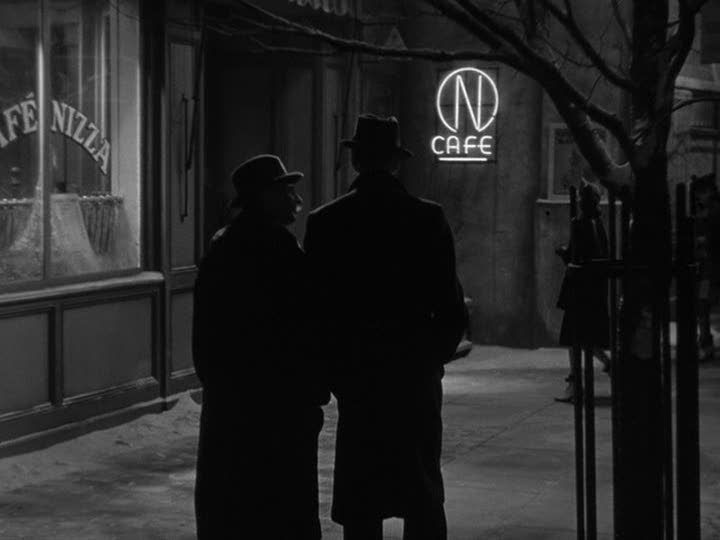
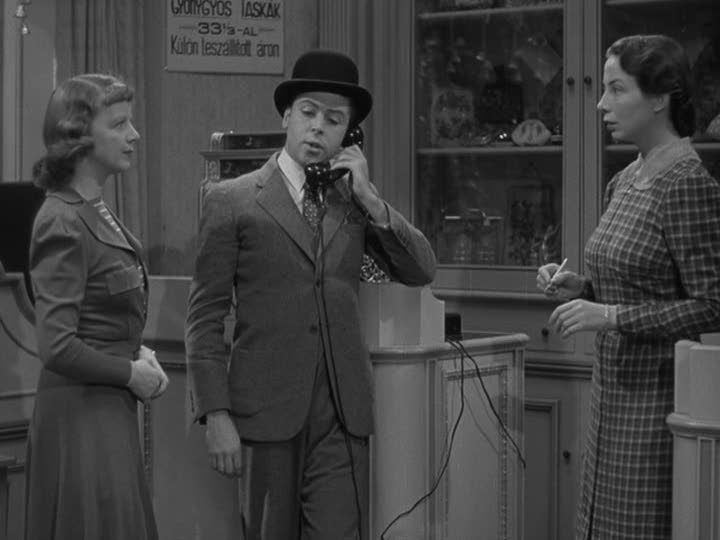
Films I Love #55: The Shop Around the Corner (Ernst Lubitsch, 1940)


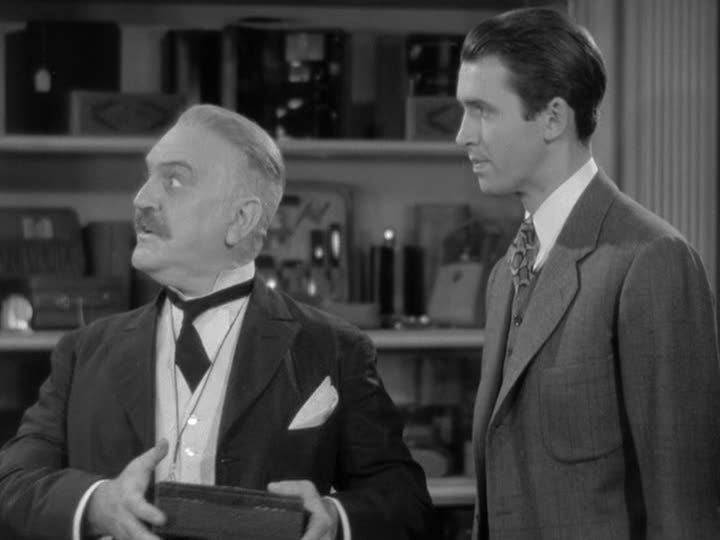
Ernst Lubitsch's The Shop Around the Corner is a rich, moving love story, a very warm film despite its snowy Christmastime setting. Although the film is focused on the antagonism of the store manager Kralik (James Stewart) and new employee Klara (Margaret Sullivan) — and of course, their eventual and inevitable realization of love for one another — in many ways it's more about everything that happens around this slowly developing romance. The film is set in a small shop in Budapest, and the texture of this shop, the daily business of the workers who gather outside every day for friendly chit-chat, is the real matter of the film. The characters are well-defined but not quirky, with just hints of low-key exaggeration lending some humorous edge to the anxious, sputtering Pirovitch (Felix Bressart) and the smart-alecky errand boy Pepi (William Tracy), who really comes into his own with a chest-swelled swagger when he gets promoted to salesman. The film's humor is gentle and quiet, with not a hint of mean-spirited mockery except, perhaps, in its portrayal of Kralik's foppish rival Vadas (Joseph Schildkraut). The film continually belies the idea that humor must be edgy or aggressive in order to be genuinely funny, as Lubitsch earns smiles, chuckles and occasionally even full-throated guffaws from his careful development of these characters and their minor foibles.

What's especially striking about the film's humor is the vein of real, deep sadness that runs through the center of it. There's a sense of loneliness in both Kralik and Karla, who separately believe they've found love in the form of someone they've never even met face-to-face, someone they've only corresponded with through letters. There's more than a hint of desperation in both characters: they invest so much into their romance-by-pen, as though it represents the last chance they each have for happiness or romance. In the process, they don't realize that the object of their love is right in front of them every day, that their relationship consists of sparring angrily by day and writing loving, romantic letters to one another by night. As such, the film is about the ideal of love as contrasted against the more prosaic but also more tangible reality: it's telling that before Kralik can reveal himself to Karla, he must adjust her expectations downward by shattering the fantasy of the letters, preparing her not only for the revelation that he's her great love, but that her great love is only a flesh-and-blood man after all. Lubitsch also has a wonderful feel for the anxieties of money, for the pressures of the working class life and the fear of losing a job, and the film makes great use of the Christmas setting for its subtle commentary on consumerism and salesmanship. It's a beautiful, funny, emotionally complex masterpiece with so much heart, so much beauty, in every image and every line that, despite its modest, unassuming surface, it winds up being an almost overwhelming experience.


Films I Love #54: Mr. Klein (Joseph Losey, 1976)


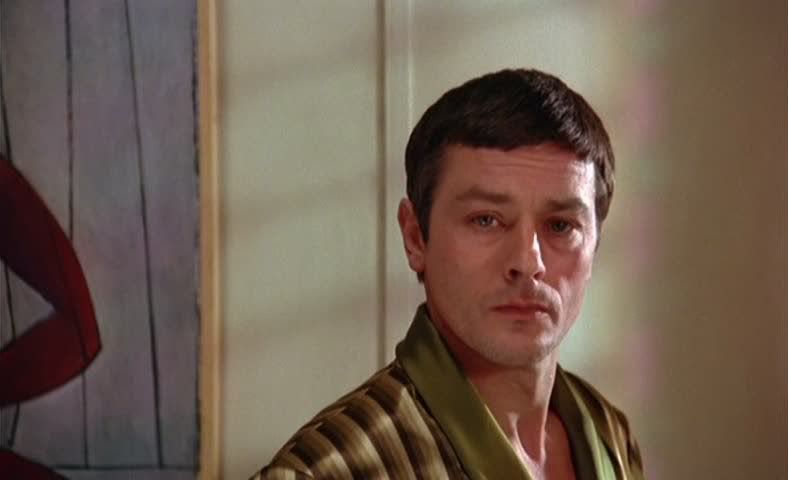
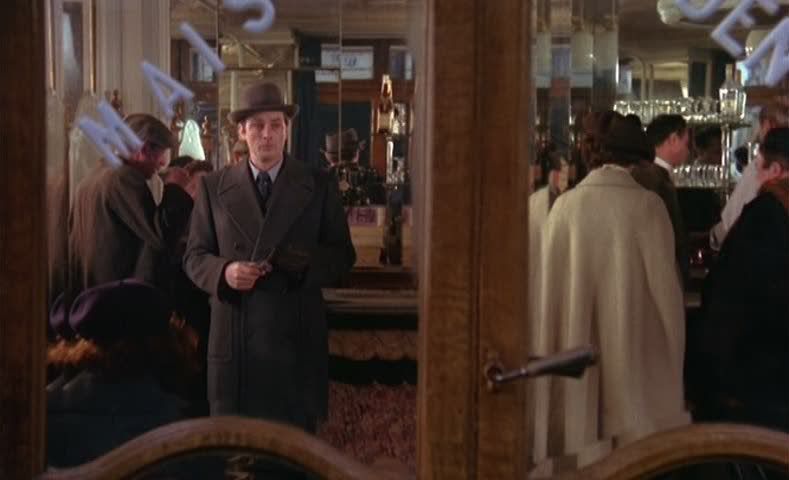
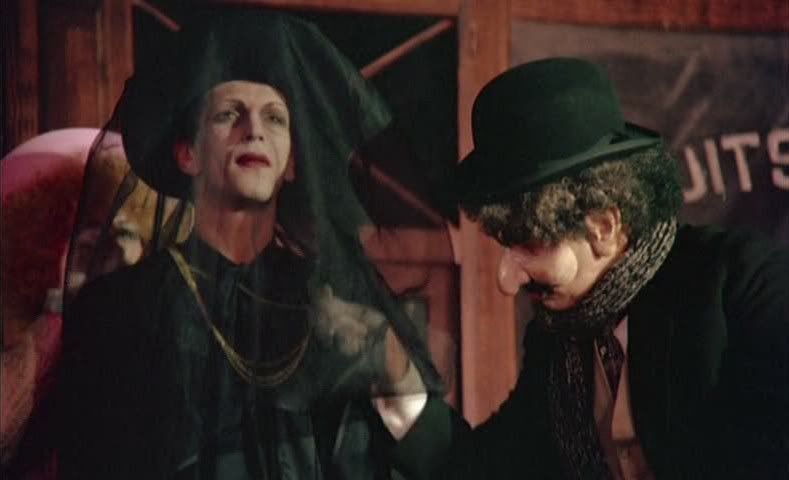
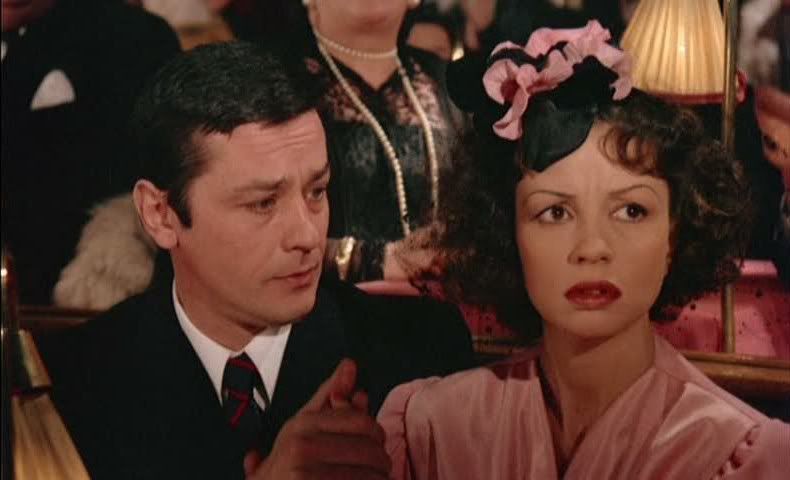
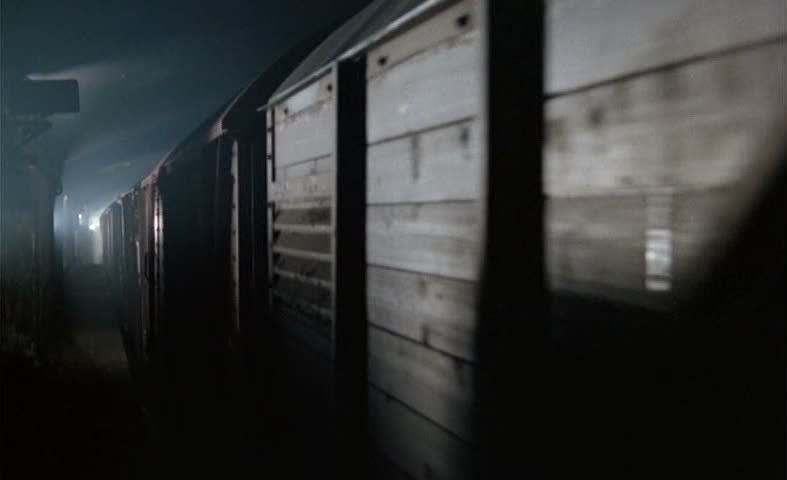
Joseph Losey's Mr. Klein, made in France during the director's long post-blacklist exile from the US, is a chilling (and chilly) parable about identity, fascism, exploitation and oppression. Set during World War II in occupied France, the film centers around the titular Robert Klein (Alain Delon), an art dealer who exploits the situation in his country by buying cheap paintings from fleeing Jews, who are mostly looking to get just enough money to escape the increasingly restrictive Nazi regulations. Klein is indifferent to those he exploits, caring only about his own luxurious life, until one day he receives a Jewish newspaper addressed to him. He realizes, soon enough, that there is another Robert Klein in Paris, a Jew disguising himself as a collaborationist Frenchman, and he becomes obsessed with ferreting out this other Klein, this mirror image alter-ego. This, in turn, attracts the attention of the Vichy police, who become suspicious of this Klein as well.

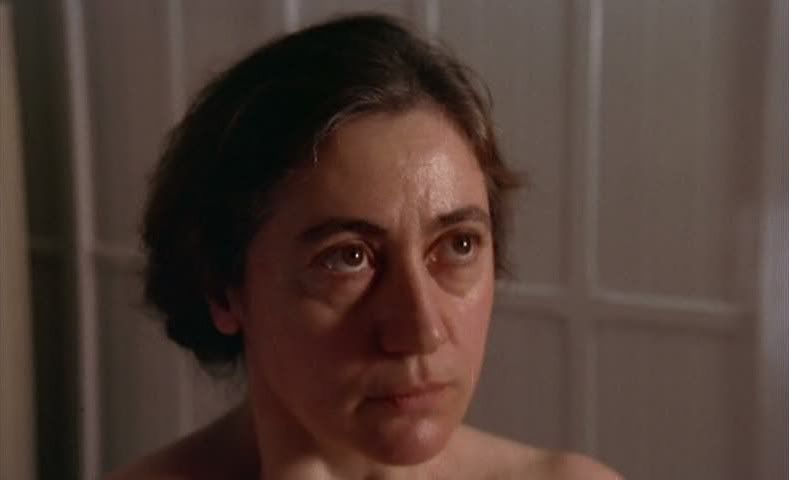
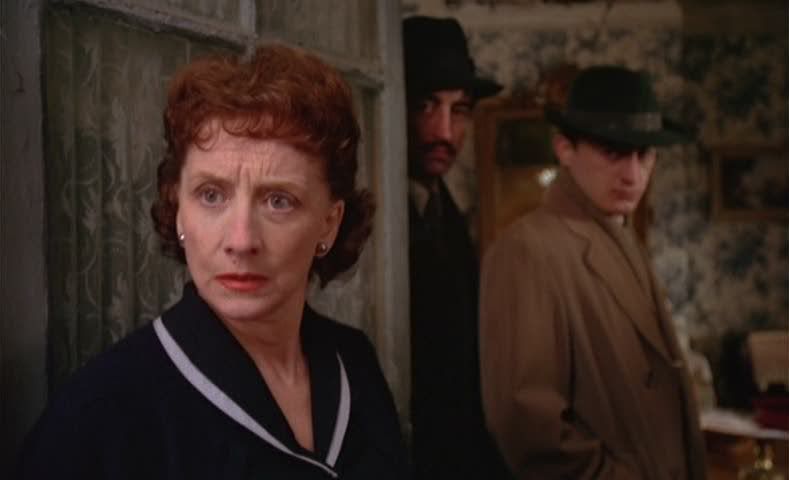
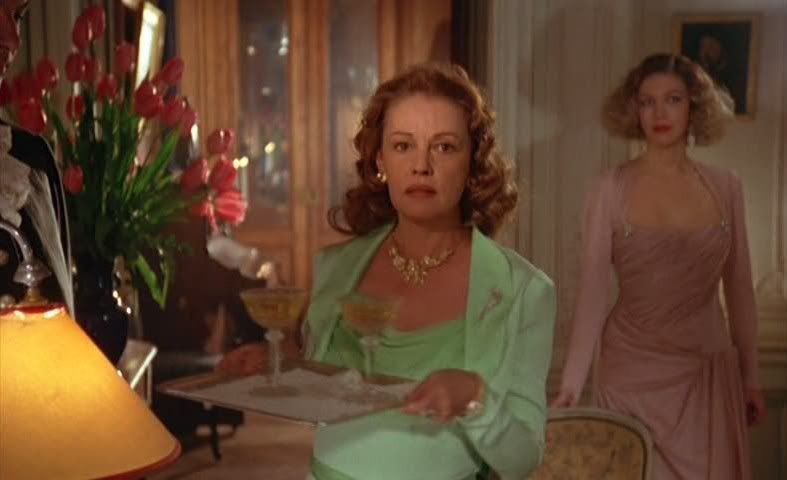
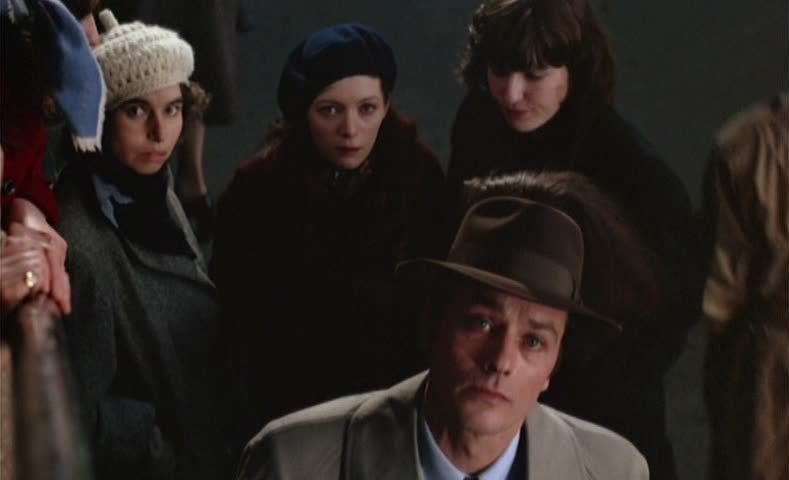
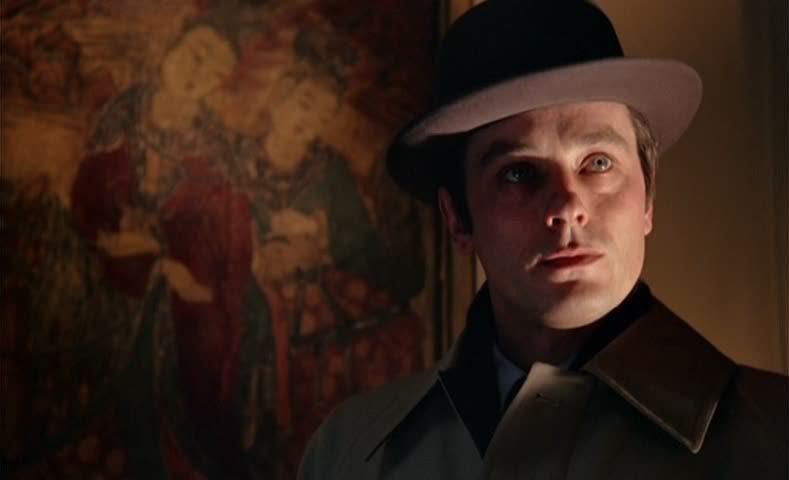
Losey's mise en scène is methodical and austere, evincing a cold distance that suits the abstract story of a man losing himself in a doppelganger he never quite meets. The multiple shots of Klein standing alone in a tightly wrapped overcoat and hat, isolated even in crowd shots, deliberately echo the hyper-cool image of Delon from his iconic role in Le samouraï. He wanders around, earnestly staring with his cold blue eyes, encountering various mysterious figures who fail to aid him in his search — with an impressive supporting cast populated with the likes of Jeanne Moreau, Juliet Berto, Francine Bergé, Michael Lonsdale and Rivette muse Hermine Karagheuz. The film's most stunning scene, however, is its first, a seeming non sequitur in which a doctor examines a naked female patient, clinically reciting various attributes that suggest an "inferior race." The cold horror and bureaucratic precision of this scene sets the tone for the remainder of the film, immediately establishing Klein's milieu as one in which human beings are treated like animals, their teeth examined like racehorses — an association recalled in the next scene, when Klein's pampered mistress examines her own teeth while applying lipstick. Losey's unforgettable film is concerned with this matter-of-fact horror, and with the oblivious mindset that ignores such things, insisting that everything is normal, everything is OK, even in the face of tremendous evidence to the contrary.


Films I Love #53: Touch Of Evil (Orson Welles, 1958)


Orson Welles' 1958 masterwork Touch of Evil came late in the generally accepted timeframe for the first wave of film noir, a form that especially thrived in the 40s and early 50s, but it is undeniably one of the pinnacles of the genre. It's a movie that's fraught with contradictions and compromises, like many of Welles' films, so often subject to meddlesome studio interference, multiple versions and budgetary constraints. It is on the one hand tightly, even meticulously, constructed, with each shot staged and composed as though for a photograph or a painting. Few directors controlled foreground and background as effortlessly as Welles, and nearly every shot features elaborate relationships between figures and objects, creating unforgettable visual resonances. And yet despite this formal rigidity, the film feels loose and spontaneous, as though all its complex compositions were simply fortuitous accidents. Its soundtrack is obviously overdubbed, which only enhances the artificality of Welles' aesthetic; voices seem to be at some remove from the people supposedly speaking, their voices drifting in through the dense fog that enshrouds the tiny desert town where the film is set. The plotting is also rough and ragged, dealing with various intersections and intrigues along the Mexican border following a car bomb explosion. The corrupt and corpulent American detective Quinlan (Welles) investigates, but his attempts to wrap the case up quickly, possibly even pinning it on the wrong guy, are hampered by the suspicious Mexican narcotics officer Mike Vargas (Charlton Heston, thoroughly if entertainingly unconvincing as a Mexican).

The loose, rambling plot allows plenty of room for entertaining diversions, as well as for subplots focusing on characters floating at the periphery. Among the many fantastic performances, Janet Leigh is languidly sexy as Vargas' wife Susie, who he continually places in harm's way with oblivious ease while he dedicates himself wholeheartedly to his work. Welles also lingers with the character of Tanya (Marlene Dietrich), a former flame of the washed-up Quinlan, who has declined so far by now that she doesn't even recognize him anymore. There's also a memorable cameo by Dennis Weaver as a twitchy, goggle-eyed motel manager, the kind of surreal touch that often makes the film seem like a bizarre nightmare. With this film, Welles took a rough B-movie plot and elevated into a grand and mesmerizing epic, a morality tale about corruption and self-righteousness.